
| 1 | Executive Summary |
|---|
At the heart of global financial systems today lies a fundamental inequity that perpetuates poverty, inequality, and social division. The narrative of scarcity – the idea that there is not enough to go around – is not only misleading, but it also prevents the equitable distribution of resources. A World of Abundance provides a vision for a financial system that serves all of humanity, creating a world of abundance where resources are shared and distributed fairly. We believe that transforming financial systems to prioritize fairness, transparency, and human well-being is not only possible but essential to building a future where prosperity and justice are accessible to all. To achieve this we propose a comprehensive approach to transforming the financial system by education, building alliances and R&D of new financial systems that serve the common good.

| 2 | Core Challenge: Rebuilding Trust and Equity in Our Financial Systems |
|---|
For generations, society has adhered to the belief that prosperity is only for those who have 'earned it' through hard work and talent. We have been conditioned to idolize the wealthy few, reinforcing the narrative that success and luxury are the ultimate goals. However, this system leaves behind the majority of people, fueling inequality and fostering competition rather than collaboration. The deeper truth is that the current financial system – although seemingly neutral – is in fact designed to maintain power in the hands of a small elite. Those who control the financial systems have the ability to shape economies, accumulate wealth and influence the distribution of resources, leaving the rest of society at a disadvantage.

| 3 | Rethinking Money: A Tool of Power, Not Neutrality |
|---|
Money has long been regarded as a neutral tool for exchange, but this perspective fails to acknowledge the systemic power embedded in its creation and distribution. Central banks and financial institutions control money through loans and credit, mechanisms that perpetuate inflation, rising debt, and economic instability. It has created a financial system that disproportionately benefits the wealthy while leaving the rest of the population behind.
Key Issues with the Current System:
- Wealth Concentration: The few control the majority of financial resources, increasing inequality.
- Debt Cycles: The reliance on loans and credit creates unsustainable debt burdens for most people.
- Economic Instability: A system that benefits only a few, leads to economic instability for the broader population.
| 4 | Our Vision: A World of Abundance |
|---|
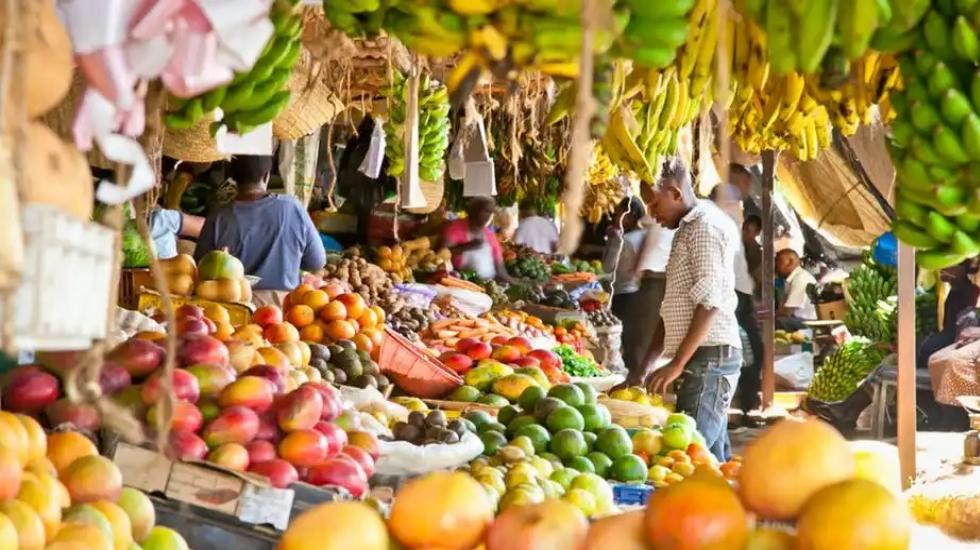
We envision a financial system that serves the needs of everyone, ensuring equitable access to resources like food, shelter, and opportunity. We reject the myth of scarcity and believe that with the right systems in place, resources can be shared in a way that benefits all people.
Core Components of Our Vision:
- Transparency: Everyone should understand how money is created, distributed, and spent.
- Fairness: Wealth and resources must be distributed equitably, so that no one is left behind.
- Human Well-being: The focus of the economy should shift from profit maximization for the few to improving quality of life for all.

| 5 | The Ethical and Moral Foundation of Our Approach |
|---|
The transformation of financial systems is not merely a technical or economic issue; it is deeply moral and ethical. Across religious and philosophical traditions, there is a shared belief in the dangers of wealth accumulation and the exploitation that can arise from it.
Key Ethical Teachings:
- Christianity: 'The love of money is the root of all evil' (1 Timothy 6:10), emphasizing spiritual over material growth.
- Islam: The prohibition against usury and the emphasis on sharing wealth for the common good.
- Buddhism: Advocating for detachment from material wealth and prioritizing mindfulness and compassion.
These ethical teachings all point toward a system where money serves humanity, not the other way around. Our approach aligns with these moral principles, ensuring that financial systems are ethical, sustainable, and rooted in justice.

| 6 | The Problem We Face Today |
|---|
The current global financial system is built to maintain the concentration of power in the hands of a few. Central banks, multinational corporations, and financial institutions often operate with little transparency, perpetuating inequality and injustice. This system is not neutral – it is a mechanism that enforces the dominance of the wealthy.
Key Challenges:
- Concentration of Power: The few control the majority of resources, leading to systemic inequality.
- Scarcity Narrative: The belief in scarcity prevents the recognition of abundant resources that could be shared more equitably.
- Lack of Transparency: Financial systems often operate behind closed doors, exacerbating distrust and inequality.
| 7 | Revealing the Hidden Truth: The Mechanics of Inequality |
|---|
While much of the public remains unaware of the hidden truths within our financial systems, the tools of modern technology and access to information now provide the opportunity to expose how these systems perpetuate inequality. Financial institutions and governments exert significant influence over global markets in ways that are often opaque and unaccountable. We believe it is essential to uncover these hidden truths, empowering individuals and organizations to demand greater transparency and accountability in financial practices.
| 8 | Our Strategy: Transforming the Financial System |
|---|
At World of Abundance, we propose a comprehensive approach to transforming the financial system:
- Education and Awareness: We will educate the public on the mechanics of money creation, the inherent flaws in the current system, and why these flaws perpetuate inequality.
- Advocacy for Reform: By building alliances with like-minded organizations, governments, and communities, we will push for systemic change in how financial systems operate.
- New Economic Models: We will explore and promote economic models that prioritize transparency, fairness, and sustainability, ensuring that financial systems serve the common good.
Our goal is to create a global movement that understands the true potential of our financial systems to promote equity and shared prosperity.
| 9 | Implementation: Raising Awareness and Building Alliances |
|---|
To bring this vision to life, we will:
- Launch educational campaigns that provide resources and training to help people understand how financial systems operate and why they need reform.
- Advocate for policy changes that promote transparency, fairness, and the equitable distribution of resources.
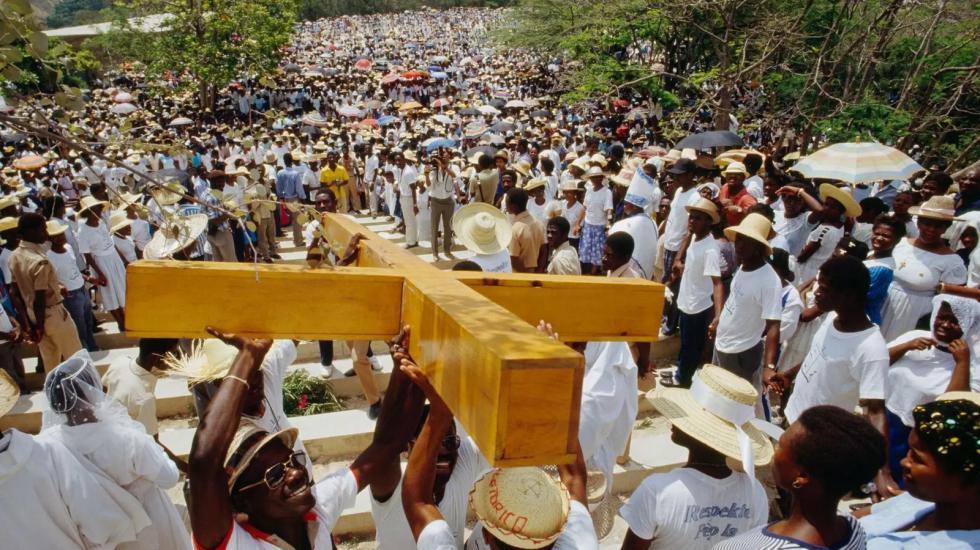
- Partner with organizations that share our values and work together to promote systemic change at local, national, and global levels.
By working collaboratively, we can create the momentum necessary for real change.

| 10 | Conclusion: A World of Plenty is Possible |
|---|
The current financial system is not set in stone. It can be transformed into a system that is fair, transparent, and sustainable – one that benefits all of humanity. We can move beyond the myth of scarcity to create a world of abundance, where resources are shared, wealth is equitably distributed, and all people can thrive. We invite you to join us in this mission to reform financial systems and create a future where prosperity, justice, and opportunity are not reserved for the few, but for all.